
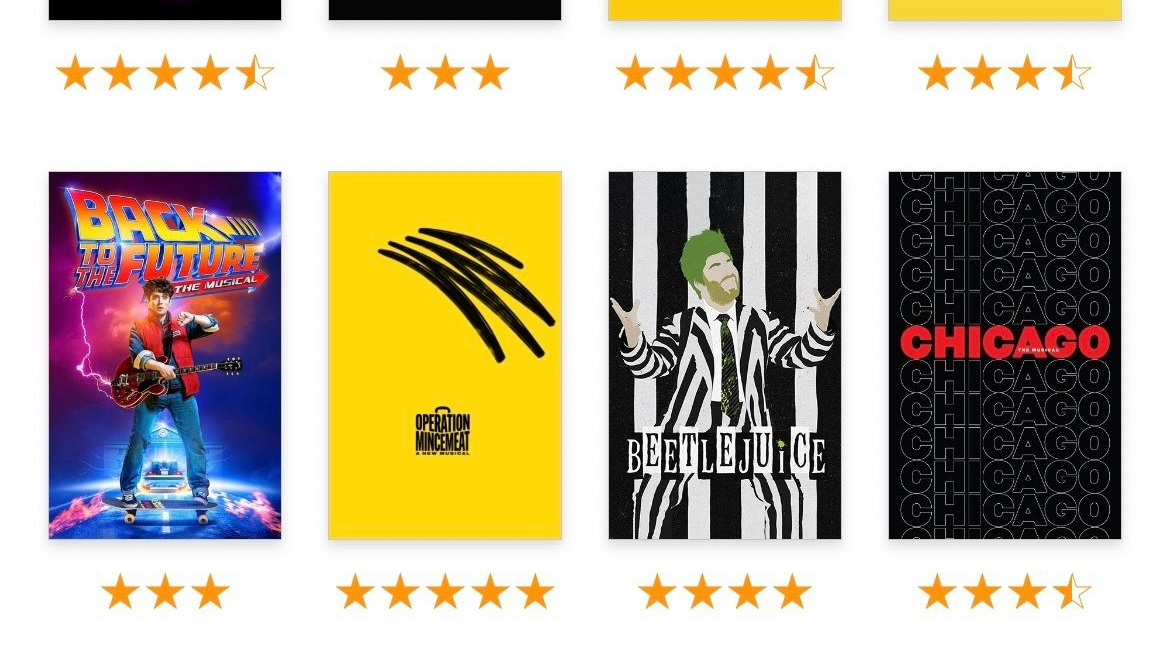
In 2025, amid all the careful budgeting and financial planning, I made a conscious decision to spend money on something completely unnecessary: live theater. And I have absolutely no regrets.
As someone who sees theater as both entertainment and art, I discovered something profound this year—the gap in quality between NYC and non-NYC productions has essentially vanished. You can be amazed anywhere, and that democratization of theatrical excellence is something worth celebrating.
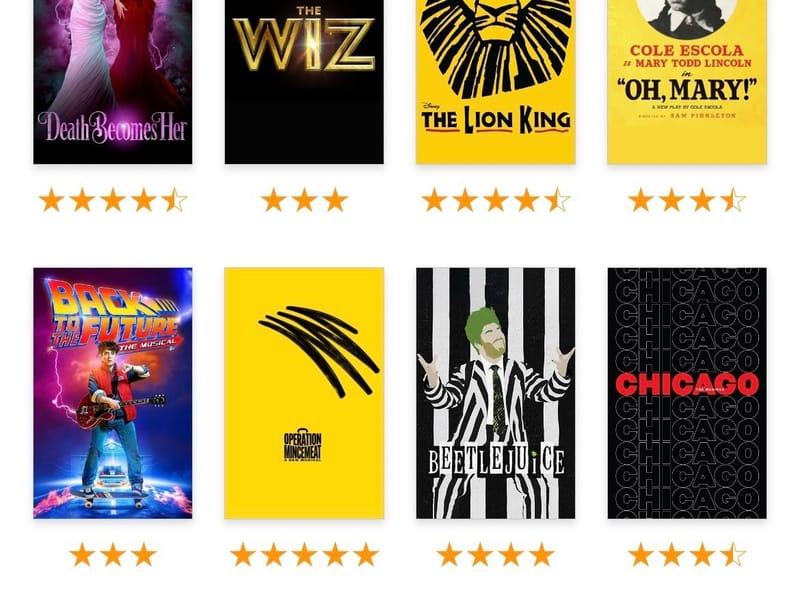
My Top 5 Theatrical Moments of 2025
1. "Circle of Life" - The Greatest Opening Number Ever Created
I'll say it without hesitation: "Circle of Life" from The Lion King is the greatest single song achievement of any show of all time. From the moment that first note echoes through the theater to the parade of spectacular puppetry flooding the aisles, it's transcendent. If you have children, this is non-negotiable viewing. If you don't have children, go anyway. This opening number alone justifies the ticket price and reminds you why live theater exists.
2. Operation Mincemeat - Complete Theatrical Brilliance
Sometimes a show just works on every conceivable level. Operation Mincemeat was that rare theatrical experience where I couldn't identify a single weak moment. The entire production—from concept to execution, from performance to pacing—was exceptional. It's proof that when creative teams are perfectly aligned and firing on all cylinders, magic happens on stage.
3. Cole Escola's Performance in Oh, Mary!
Cole Escola in Oh, Mary! delivered one of those performances that people will talk about for years. There's a particular alchemy that happens when an actor is so perfectly cast, so completely inhabiting a role, that you forget you're watching a performance at all. Escola achieved that rare feat, creating a theatrical moment that felt both hilarious and utterly authentic.
4. Beetlejuice's First Half - Comedy Timing Perfection
The first half of Beetlejuice reminded me why musical comedy is such a difficult art form to master. When it works, it's electric. The pacing, the performances, and the sheer audacity of bringing this bizarre property to the stage came together beautifully in those opening acts, creating genuine theatrical joy.
5. The Ensemble of Excellence
Sometimes it's not one moment but a collection of exceptional performances that define a theater year. For me, that included:
- The remainder of The Lion King (because one song can't contain all that show offers)
- Gracie and Clyde Lawrence in All Out
- Ike Barinholtz as Clobbo in All Out
- Kaleigh Cronin as the understudy for Jennifer Simard in Death Becomes Her (proving that understudies can be revelatory)
- James Taylor Odom as Wadsworth in Clue at The New Theater
The Democratization of Theatrical Excellence
Here's what struck me most profoundly this year: the quality gap between New York City productions and regional theater has effectively disappeared. James Taylor Odom's performance in Clue at The New Theater wasn't "good for a regional production"—it was simply excellent, period. No qualifiers needed.
This shift matters for several reasons. First, it means that theatrical excellence is accessible to more people in more places. You don't need to travel to Broadway to experience world-class performances. Second, it reflects the incredible depth of talent in the American theater community. And third, it suggests that regional theaters are investing in production values, direction, and casting in ways that rival the biggest stages.
Why "Unnecessary" Expenses Matter Most
I called theater my favorite "unnecessary" expense, but that framing deserves examination. In a strictly utilitarian sense, live theater is unnecessary—it doesn't provide food, shelter, or transportation. But in every meaningful human sense, it's essential.
Live theater offers something increasingly rare in our digital age: a shared, unrepeatable experience. Every performance is unique. The energy between audience and performers creates something that can never be exactly replicated. In a world of streaming, recording, and instant replay, that ephemerality is precious.
Moreover, investing in live arts supports entire ecosystems of creative professionals—actors, directors, designers, technicians, musicians, and countless others who dedicate their lives to creating these experiences. When we buy theater tickets, we're not just purchasing entertainment; we're sustaining an art form.
The Value of Cultural Investment
As we navigate financial decisions in an uncertain economy, it's tempting to cut discretionary spending first. But I'd argue that targeted cultural investments—whether theater, concerts, museums, or other arts—provide returns that compound in unexpected ways.
These experiences shape how we think, expand our empathy, introduce us to new perspectives, and connect us to our communities. They're conversations starters, memory makers, and sources of joy that extend far beyond the immediate experience.
The key word is "targeted." I'm not advocating reckless spending, but rather intentional allocation of resources toward experiences that genuinely enrich your life. For me, that's live theater. For you, it might be something different—but identifying those "unnecessary" expenses that provide disproportionate value is one of the most important financial decisions you can make.
Looking Ahead
As we move further into 2025 and beyond, I'm committed to continuing this particular "unnecessary" expense. The theatrical moments I experienced this year weren't just entertainment—they were reminders of what human creativity can achieve when given the resources, support, and audiences it deserves.
If you've been considering seeing a show but hesitating because it feels frivolous, I encourage you to reconsider. Find a production that interests you, whether it's in New York, your hometown, or anywhere in between. The gap in quality is nonexistent. You can be amazed anywhere. And that amazement? That's worth every penny.